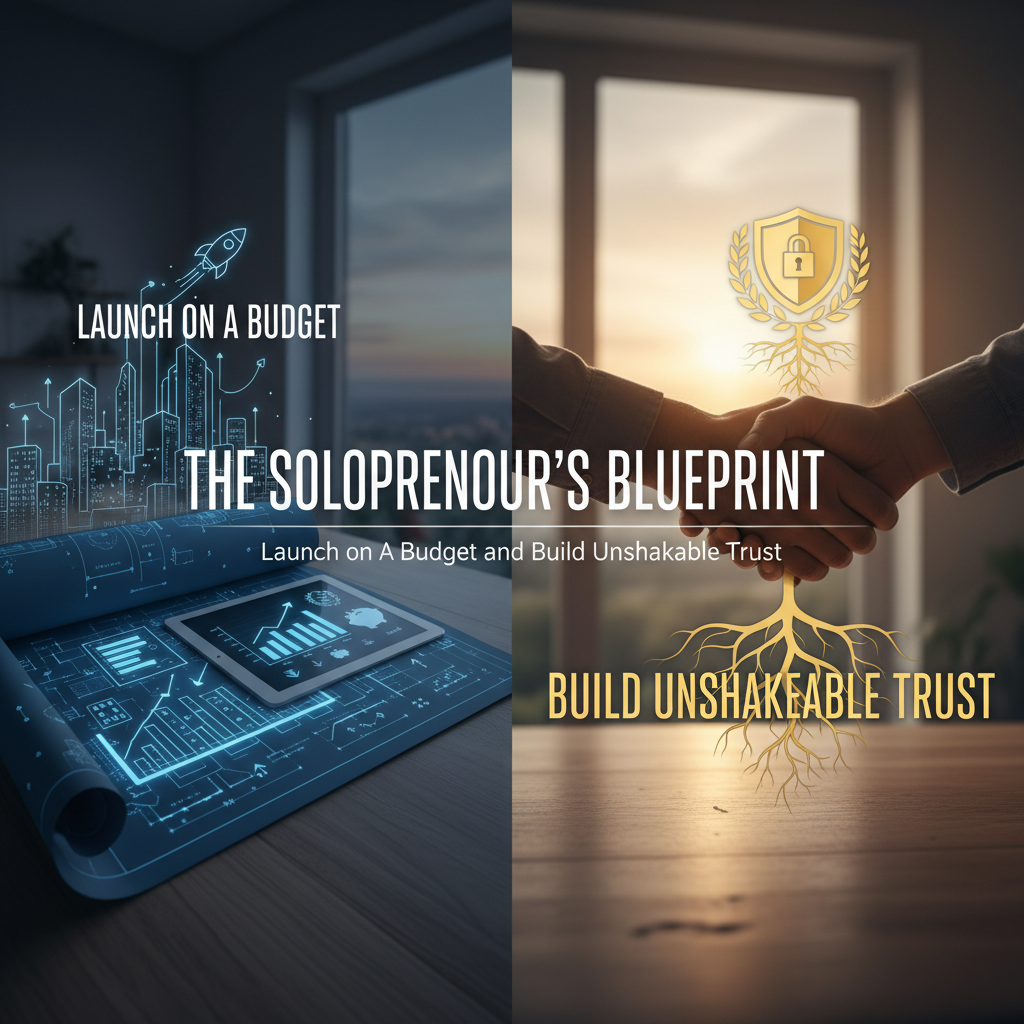
Build a Startup Website Without Code: A Solopreneur’s Guide
Launching a one-person business no longer requires a huge budget or technical expertise. This guide explains how to build a website for a startup without coding, using a lean model to establish credibility and attract clients on a near-zero budget. We’ll cover the essential strategies for success.
Adopt a Lean, Service-Based Business Model
The foundation of a successful solopreneur venture starts with a smart business strategy that minimizes costs and maximizes your unique strengths. Instead of developing a product, which requires significant upfront investment, focus on a service-based business. This approach allows you to monetize your existing skills, knowledge, and time immediately.
Your primary goal should be validating your business idea by securing your first paying customer as quickly as possible. Forget about perfecting a logo or writing a 50-page business plan. Instead, concentrate on direct outreach and delivering exceptional value. This lean startup mindset ensures you build a business that people will actually pay for before you invest heavily in infrastructure. The video below offers excellent insights into choosing a simple, effective business model.
How to Build a Website for a Startup Without Coding
Your website is your digital storefront and the core of your tech infrastructure. Fortunately, modern all-in-one platforms like Squarespace, Wix, and Carrd have made it possible for anyone to create a professional, functional site with zero coding knowledge. These tools provide templates, drag-and-drop editors, and built-in hosting, handling all the technical complexities for you.
When choosing a platform, focus on simplicity and scalability. Your initial goal is to create a clean, mobile-friendly site that clearly communicates what you do and for whom. This is your foundation for personal branding and customer engagement. As a solopreneur, your website is the most powerful tool for building a credible presence that can compete with larger companies. The following video demonstrates how a powerful one-person business can be built using no-code tools.
Turn Your Website into a Trust-Building Engine
A great website does more than just look good; it builds trust. For a one-person business, trust is the currency that converts visitors into clients. There are three key elements to bake into your site to establish immediate credibility and foster customer engagement.
- Humanize Your Brand: People do business with people they know, like, and trust. As a solopreneur, you are the brand. Include a professional headshot and a compelling “About” page that tells your story. This transparency makes your business relatable and trustworthy.
- Demonstrate Your Expertise: Use content marketing to prove you are an authority in your field. Start a simple blog, create a “Resources” section with helpful tips, or offer a free downloadable guide. Giving away valuable knowledge builds confidence and positions you as the go-to expert.
- Answer Questions Proactively: A detailed FAQ page is essential for building trust. By anticipating and answering potential client questions, you show that you understand their needs and are transparent in your processes. This saves time and removes friction from the buying process.
Frequently Asked Questions (FAQ)
What is the best all-in-one platform for startup tech infrastructure?
For a solopreneur or lean startup, the best platform is one that combines ease of use with affordability. No-code website builders like Squarespace, Wix, and Webflow are excellent choices because they bundle design, hosting, and functionality into a single subscription, dramatically reducing startup costs and technical overhead.
How can a solopreneur build website credibility quickly?
To build credibility fast, showcase your expertise and humanity. Feature client testimonials, create a portfolio of your work, write insightful blog posts about your industry, and include a professional photo and bio on your “About” page. A transparent, helpful, and personal website builds trust much faster than a generic, corporate one.
How much does it really cost to start a one-person service business?
With a lean approach, startup costs can be incredibly low. Your essential expenses are a domain name (around $15/year) and a website builder subscription ($15-$30/month). By leveraging free marketing channels like social media, networking, and direct outreach, you can launch with a near-zero budget and reinvest your first earnings back into the business.
Conclusion
Launching a profitable one-person business is more accessible than ever. The formula is simple: combine a lean, service-based business model with a professional, no-code website designed to build trust. By focusing on your skills, validating your idea early, and creating an online presence that is human and helpful, you can build a sustainable and credible brand without needing a huge budget or a line of code.