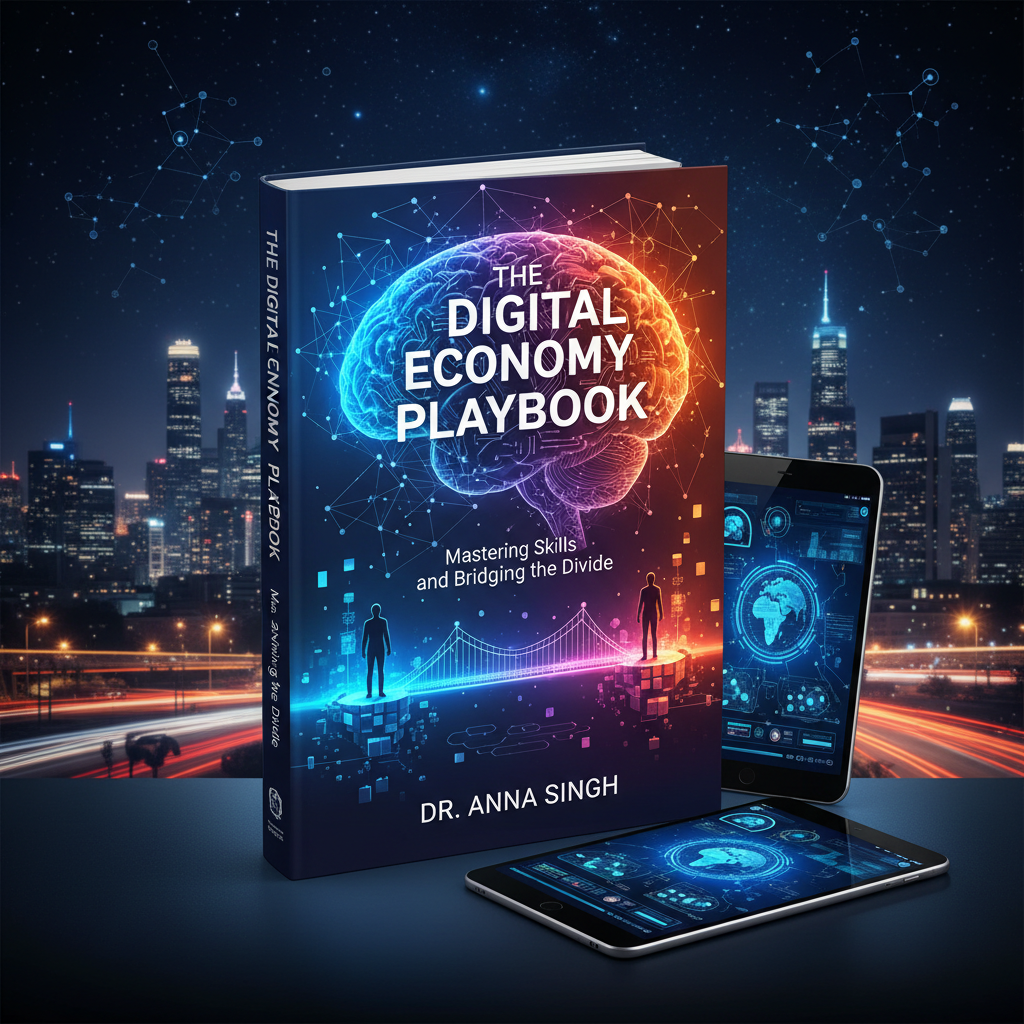
Digital Skills vs. The Digital Divide: A Modern Guide
Success today is defined not by decades of experience, but by rapid adaptability. The most valuable professionals can quickly learn and apply core skills using modern digital tools. However, this new landscape is threatened by a growing digital divide, creating a gap between those with access and those without. This guide explores how to thrive and promote economic inclusion.
Rethinking Expertise: Adaptability Over the 10,000-Hour Rule
The traditional path to mastery, famously known as the 10,000-Hour Rule, suggested that deep expertise required years of dedicated practice in a single field. In today’s fast-paced digital economy, this idea is being fundamentally challenged. The new measure of success is adaptability—the ability to apply a core set of skills across different industries and challenges.
Information is no longer locked away. With AI, open-source resources, and global knowledge communities, the barriers to learning have crumbled. What once took years to learn can now be grasped much faster. The advantage has shifted from the tenured specialist to the agile operator who excels at skill transfer. Core competencies like team building, budget management, and product strategy are now more valuable than niche, industry-specific knowledge because they form a universal playbook for growth.
Essential No-Code & Small Business Digital Tools
To compress learning curves and accelerate execution, modern professionals and startups leverage a powerful stack of accessible technologies. These small business digital tools democratize creation and empower individuals to achieve more with less technical overhead.
- AI Assistants: Tools like ChatGPT and Google Gemini can summarize complex research, generate ideas, and automate repetitive tasks, dramatically speeding up the knowledge acquisition process.
- No-Code/Low-Code Platforms: Services like Webflow, Bubble, and Zapier allow users to build sophisticated websites, applications, and automated workflows without writing a single line of code. This is a game-changer for entrepreneurs with great ideas but no coding background.
- Community Knowledge Hubs: Platforms like Reddit, Stack Overflow, and specialized Discord servers provide instant access to a global brain trust of experts, offering real-world solutions and bypassing traditional learning delays.
- Fractional Expertise: Instead of hiring full-time executives, companies can now “rent” the specific expertise they need, bringing in fractional CMOs, CFOs, or CTOs to guide strategy for a fraction of the cost.
What Is the Digital Divide and Why Does It Matter?
While technology creates unprecedented opportunities, the digital divide creates a massive barrier to entry for millions worldwide. This term defines the gap between populations that have access to modern information and communications technology and those that do not. It’s a problem of both infrastructure (like internet availability) and the skills needed to use it effectively.
This divide is no longer just a technical issue; it’s a profound social and economic one. As banking, education, healthcare, and job applications move online, a lack of access reinforces cycles of poverty and disadvantage, hindering economic inclusion. For example, while the demand for tech jobs in developing nations skyrockets, low internet penetration in rural areas means a huge portion of the talent pool is unable to even participate.
Closing the Gap with Digital Literacy and Public Policy
Bridging the digital divide requires a deliberate, two-pronged strategy focused on access and ability. When implemented correctly, technology can become a powerful force for equality, extending education and connecting businesses to global markets. To achieve this, society must invest in two foundational pillars.
The first is infrastructure. High-speed internet should be treated as essential public infrastructure, similar to electricity and clean water. This requires sustained investment and forward-thinking public policy to ensure reliable and affordable access for all communities. The second pillar is digital literacy. Access alone is not enough; people must have the skills to navigate the digital world safely and effectively. Integrating digital competence into school curricula from the earliest stages of education is critical to preparing the next generation for the modern workforce.
Frequently Asked Questions (FAQ)
What are the most important transferable skills in the digital economy?
The most crucial transferable skills include project management, data analysis, financial literacy (budgeting), digital marketing, communication, and team leadership. These skills allow you to create value in any industry, regardless of your specific background.
How do no-code tools help startups and small businesses?
No-code business tools empower founders to build and test ideas quickly and affordably without hiring expensive developers. They can create functional websites, mobile apps, and internal process automations, allowing them to validate their business model and serve customers from day one.
What is the difference between the digital divide and digital literacy?
The digital divide refers to the gap in access to technology and the internet. Digital literacy refers to the skills and knowledge required to use that technology effectively and safely. You can’t have literacy without access, but access without literacy is not empowering.
Conclusion
Thriving in the digital age requires a dual approach. On an individual level, success belongs to the agile learner who masters transferable skills and leverages small business digital tools to accelerate growth. On a societal level, our collective progress depends on our commitment to closing the digital divide through smart policy and universal digital literacy education. The future is built on adaptability, but only if we ensure everyone has the chance to participate.