Choose Your Landing Page Builder Wisely in 2025: Scalability, Strategy & Accessibility
Introduction
In 2025, your digital presence isn’t just about aesthetics—it’s a strategic asset that drives conversions, builds trust, and ensures legal compliance. Whether you’re launching a startup or scaling enterprise marketing campaigns, selecting the right landing page builder is a pivotal decision. But beyond features and price, the real differentiator lies in scalability, alignment with business goals, and, crucially, true web accessibility. In this guide, we’ll break down how to choose a platform that grows with your ambitions, supports your unique objectives, and embeds inclusivity from day one—without relying on risky shortcuts.
Match Your Tool to Your Growth Stage and Goals
One-size-fits-all doesn’t apply in digital strategy. The ideal landing page tool depends on where your business stands and what you’re trying to achieve. Early-stage startups with limited budgets can thrive using lightweight, intuitive platforms like Squarespace or CARRD. These tools offer no-code templates, instant publishing, and generous free tiers—perfect for testing campaigns without upfront investment.
For more advanced users, such as performance marketers or B2B teams, scalability and integration are non-negotiable. Platforms like Unbounce, Instapage, and Leadpages deliver powerful A/B testing, heatmapping, and CRM integrations. These systems scale effortlessly with campaign complexity, making them ideal for high-volume lead generation.
Meanwhile, content creators and creative agencies often demand full design control. WordPress and Webflow combine visual flexibility with deep SEO capabilities, enabling stunning, branded experiences that stand out in crowded digital landscapes.
Accessibility Is a Legal and Ethical Imperative—Not Optional
Forget the myth of instant fixes. In 2025, relying on automated “accessibility overlays” like accessiBe is no longer just ineffective—it’s dangerous. Regulatory enforcement is tightening. The FTC’s $1 million settlement against a company using such a widget proves the point: “set-and-forget” overlays fail. They don’t address root accessibility issues and can actually increase legal exposure by creating a false sense of compliance.
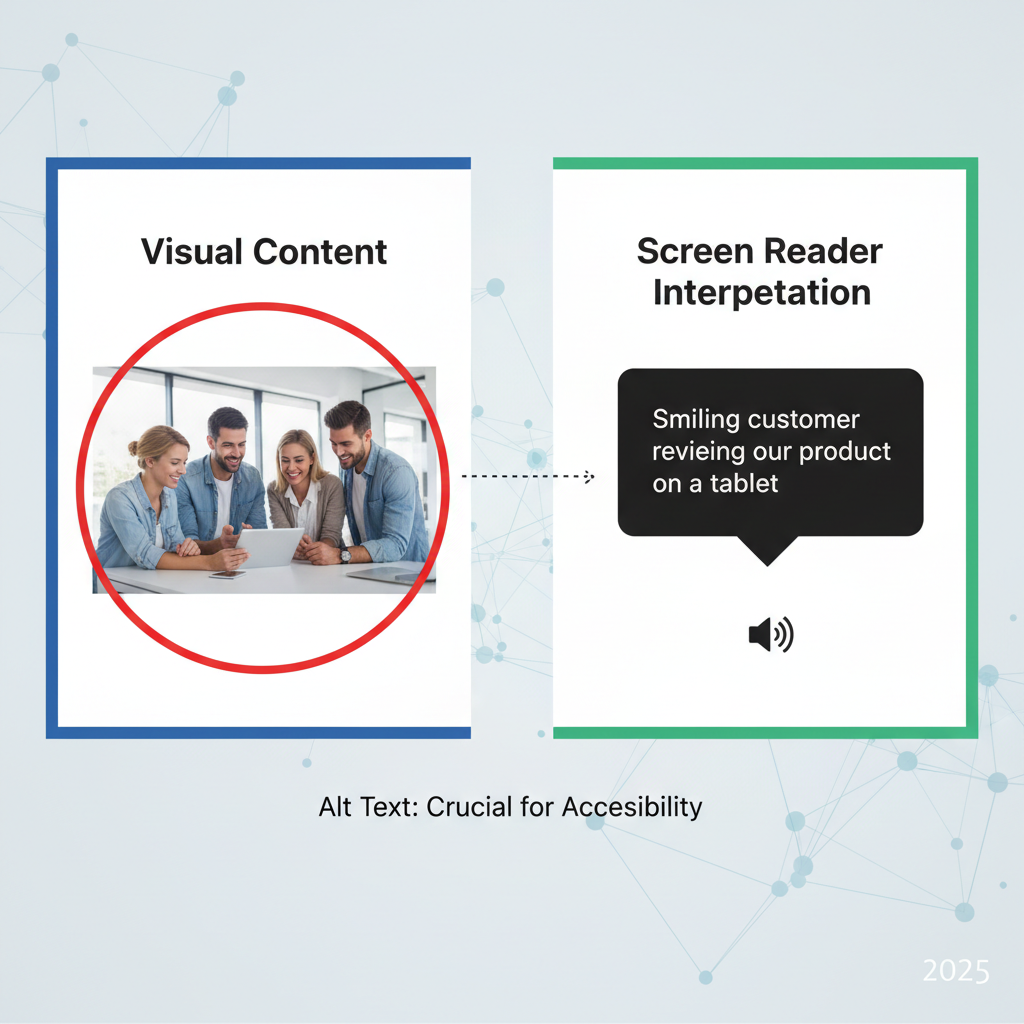
True accessibility comes from intentional design. It demands clean semantic HTML, properly labeled interactive elements with ARIA attributes, sufficient color contrast, keyboard navigation support, and screen reader compatibility (tested with tools like VoiceOver and NVDA). Every image must carry descriptive alt text that conveys meaning beyond the visual, and user flows should be tested with real accessibility workflows.
Design Accessibility Into Every Phase—Not as an Afterthought
Embedding accessibility early saves time, money, and risk. The best approach? Incorporate it from the first design sprint. By aligning with the WCAG (Web Content Accessibility Guidelines) during wireframing and prototyping, you avoid costly rework later. Investing 20–30% more upfront in inclusive design principles results in fewer bugs, faster development cycles, and broader audience reach—including users with disabilities, older adults, and even those on low-bandwidth connections.
Consider this: an accessible site isn’t just compliant—it’s more intuitive, easier to navigate, and often performs better in search engines. Users appreciate seamless experiences, and search algorithms increasingly reward sites with strong UX signals.
Conclusion
Choosing the right landing page builder in 2025 isn’t just about features—it’s about future-proofing your digital strategy. Match your platform to your growth stage and goals, and never cut corners on accessibility. True inclusion isn’t a plugin or an overlay; it’s a mindset. Start building with that mindset today, and watch your site not only meet legal standards but exceed user expectations. Ask yourself: is your website ready to welcome everyone—or just some?